Dorozvidka #51: Verkhovodov, Gryshyn, Yaremchuk, Rokoshevskyi, and a record-breaking bomber from Gurzuf Defence
The most compelling columns and interviews on Ukrainian defence tech — along with news that slipped under the editorial radar
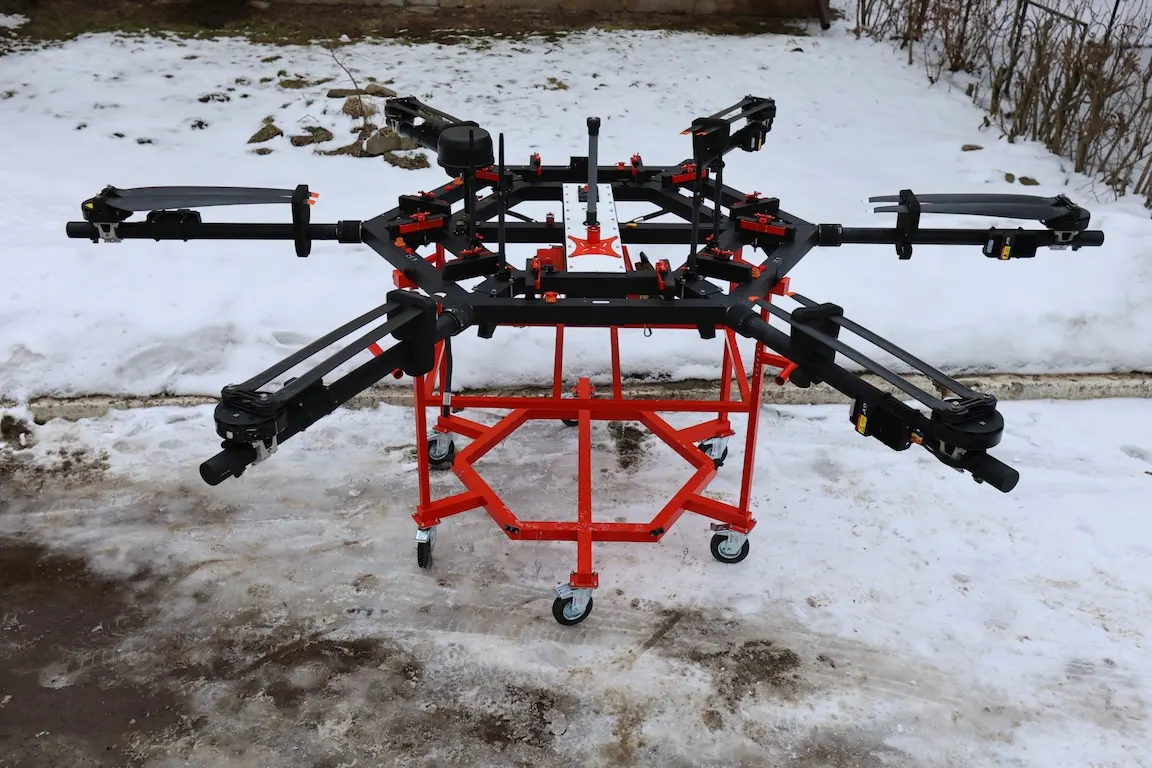
The Aiudag-6 heavy hexacopter developed by Gurzuf Defence. Photo: Yaroslav Tabinskyi / Oboronka
In this edition of Dorozvidka:
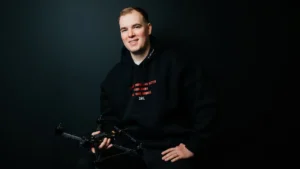
- A column by D3 partner Anton Verkhovodov on the growing appeal of defence for venture investment
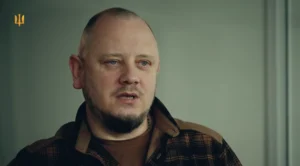
- An interview with Farsight Vision co-founder and CEO Viktoriia Yaremchuk on the team and bubbles in defence tech
- Changes in Roboneers’ operating structure
- The story of heavy bomber manufacturer Gurzuf Defence
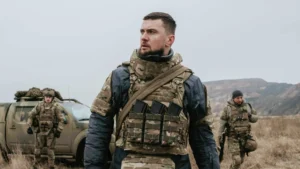
- A column by General Cherry co-founder Stanislav Gryshyn on the technological transformation of war
- A new version of the TerMIT UGV by Tencore.
Anton Verkhovodov on why VCs should invest in defence tech
In his column for Resilience Media, D3 partner Anton Verkhovodov challenges the idea that defence tech is ill-suited to venture capital. According to him, the market is evolving under the influence of technology and Ukraine’s experience, creating strong opportunities for investors of different profiles, including VCs.
Verkhovodov writes, “Defence is not a monopsony. It is B2B2G. Everyone fixates on the B2G layer — the largest revenue, yes, but also the strictest regulations, the least flexibility, and direct competition from the primes. But primes need an entire ecosystem of suppliers to be able to sell to governments in the first place. It is the B2B part of the defence industry that is interesting for investors. Winning in the new defence tech reality is not only about becoming the next prime (or neoprime). Build great horizontal technology (say, autonomous navigation) and many integrators become your customers. That is a very different — and much more VC-compatible — business model.”
Gurzuf Defence: the story of a heavy bomber manufacturer
Oboronka has published an in-depth feature on the Ukrainian company Gurzuf Defence, which produces Heavy Shot bombers and other drones.
“Ten years ago, the Gurzuf team started in a garage assembling primitive civilian drones bought by cigarette smugglers. Today, it produces heavy UAVs delivering payloads and striking enemy targets across the front,” the outlet writes.
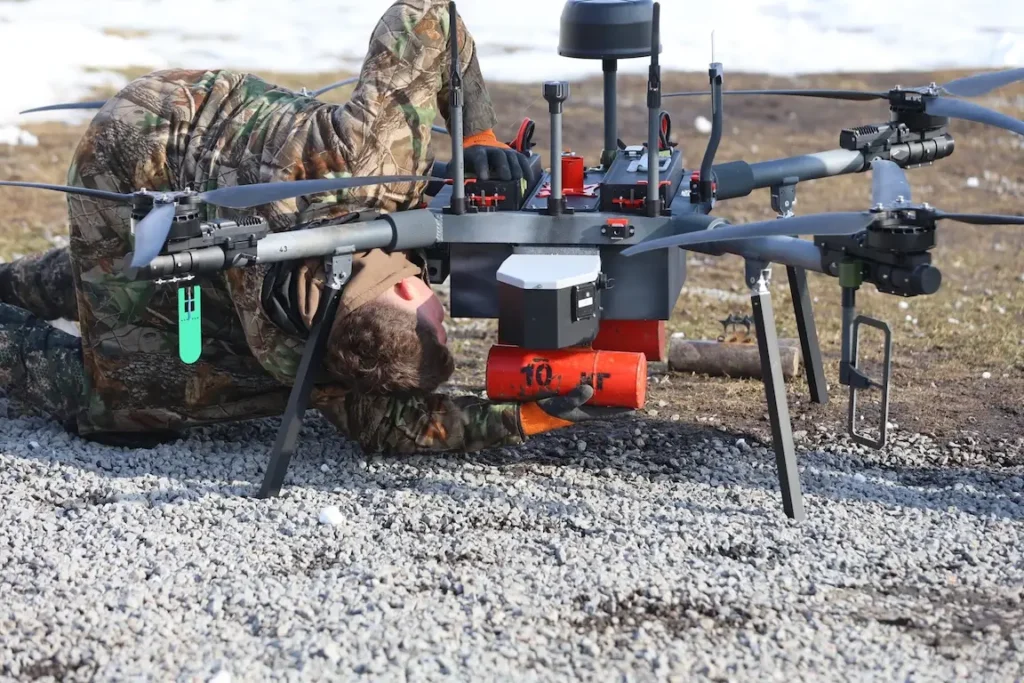
Heavy Shot drones rank among the top ten most effective strike systems in use. Ukraine’s Defence Forces receive these bombers not only from the state but also from partners in the Netherlands.
Journalists spoke with Gurzuf Defence’s co-founders and visited its R&D centre, production facilities, and test range. Among the systems showcased was the Aiudag-6 heavy hexacopter, capable of carrying up to 90 kg of payload over distances of up to 25 km.
Farsight Vision CEO on team and deftech bubbles
DOU published an interview with Farsight Vision co-founder and CEO Viktoriia Yaremchuk. She spoke about how battlefield “digital twins” work, why these systems can sometimes be more accurate than satellite imagery, and what it’s like to run a defence tech startup during wartime.
Farsight Vision, a Ukrainian-Estonian defence company, develops software and hardware solutions for intelligence and autonomous systems. Its products transform drone imagery into detailed 3D models and orthophotos with integrated object detection and anomaly tracking — even in GNSS-denied environments. The company recently raised $7.2 million.
Stanislav Gryshyn on the technological transformation of war
General Cherry co-founder Stanislav Gryshyn published a column in Militarnyi on the global expansion of Ukraine’s wartime experience, the role of AI in defence tech, logistics automation, remote mining, and other key trends.
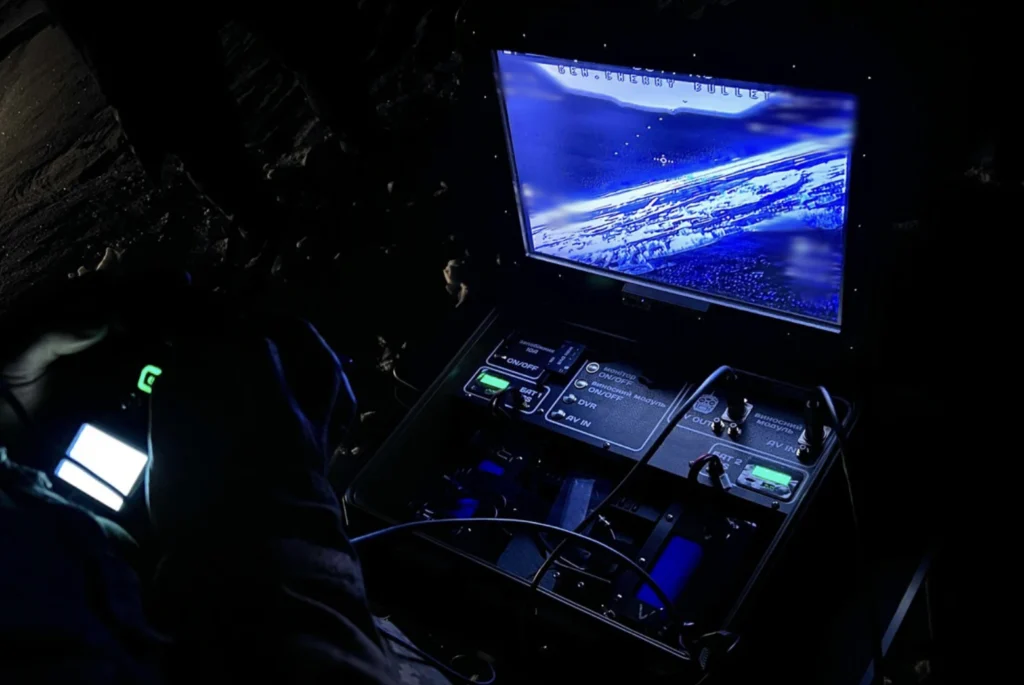
“Forecasting how warfare technologies evolve is a thankless task. Too many variables emerge and disappear within months — tactics, technologies, access to components, regulation, geopolitics. The fabric of war is woven from ‘black swans’ that defy prediction. What seemed standard yesterday can become obsolete today,” he writes.
“One thing will remain constant: feedback from the military will be critical. Every product must be developed in close cooperation with units, based on real combat experience. Honest, sometimes harsh feedback is what helps identify weaknesses and improve technical solutions.”
Taras Rokoshevskyi leaves Roboneers
Taras Rokoshevskyi, who has been part of Roboneers’ management since 2023 and focused on UGV development, is stepping down from operational duties, the company said in a press release. The parties will continue cooperation in a partnership format.
Roboneers says it is entering a phase of strategic transformation, including changes to its management structure.
TerMIT with thermal imaging
Tencore has developed a thermal-camera-equipped version of its flagship TerMIT UGV.
“We adapted the platform for 24/7 operation by integrating a thermal camera alongside night optics. This allows the operator to detect targets even where conventional cameras go ‘blind’, which is critical for identifying enemy personnel along logistics routes,” the company said.
Reading now
1
Ukrainian SkyFall’s drone wins at Pentagon’s Drone Dominance selection
2
Black Forest Systems raises $400,000. Here’s what drones the startup is building
3
Sting interceptor by Wild Hornets downs costly Russian Granat-4 reconnaissance drone
4
UForce unveils Bucha middle-strike drone with a 200 km range
5
The F10 drone becomes the second Ukrainian finalist in the Pentagon’s Drone Dominance Program
By submitting this form, you give Defender Media consent to the processing of personal data.
Надсилаючи цю форму, ви надаєте Defender Media згоду на обробку персональних даних.

Latest news
1
DPA to diversify drone and ammunition orders among multiple suppliers
2
‘Ukrainska bavovna’ and Czech company Pavetra Aerospace to produce Shuhay UAV through joint venture
3
59th Assault Brigade downs Russian Ka-52 helicopter with General Cherry OPTIX FPV drone
4
Tencore develops evacuation module for TerMIT UGV
5