Black Mirror #41: Geran‑5, Soviet components in the Oreshnik, and Igla anti‑drone cartridges
A review of Russian military technology developments in the second week of January 2026
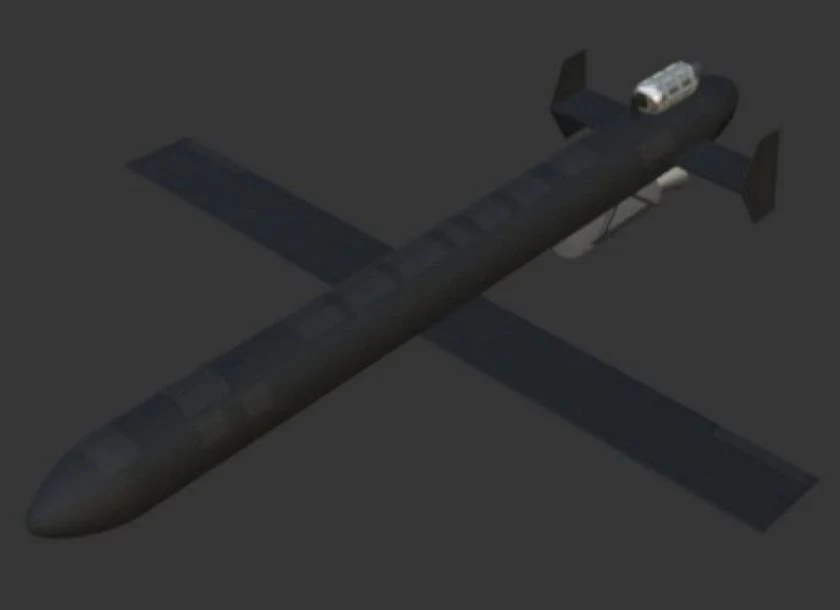
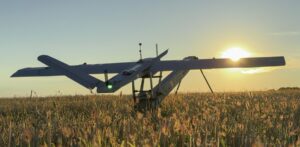
Geran-5 drone. Image Source: HUR
Analysis of debris and downed systems recovered after Russian attacks this week has provided Ukrainian engineers and the military with significant food for thought. Reports point to further upgrades to Shahed-type drones, a new UAV from the Geran family, as well as notable findings at the impact site of an Oreshnik strike.
These and other updates on the enemy’s military technologies are covered in the 41st edition of “Black Mirror.”
The Titan anti‑drone module with a 24‑barrel turret
Russia’s Centre for Unmanned Systems and Technologies has unveiled the modular Titan anti‑drone system, featuring a 24‑barrel 12‑gauge turret with electro‑optical targeting, electronic warfare capabilities, and a laser module.
According to the developers, the system uses artificial intelligence algorithms to identify targets and supports automatic reloading. Titan’s neural network modules are said to be capable of recognising drones by analysing a database of 120 million files.

The system includes a laser module with a claimed range of up to 3 km. The 12‑gauge turret reportedly has an effective range of 15–35 metres, while the laser can affect drones’ electro‑optical sensors at distances exceeding 700–1,000 metres. The electronic‑warfare systems are stated to reach 350–500 metres.
The Titan can be deployed on ground robotic platforms, vehicles, heavy armoured equipment, and is also intended to protect stationary facilities and surface combat ships.
Geran receives another modification based on an Iranian drone
At the start of 2026, during combined air attacks on Ukraine, Russian forces used a new strike UAV, the Geran‑5, for the first time. A full analysis of this system is expected to be published on the War&Sanctions portal, HUR announced.
The drone is approximately six metres long, with a wingspan of up to 5.5 metres, and uses a conventional aerodynamic layout, unlike previous Geran variants. Many of its key components, however, remain standardised across the series.
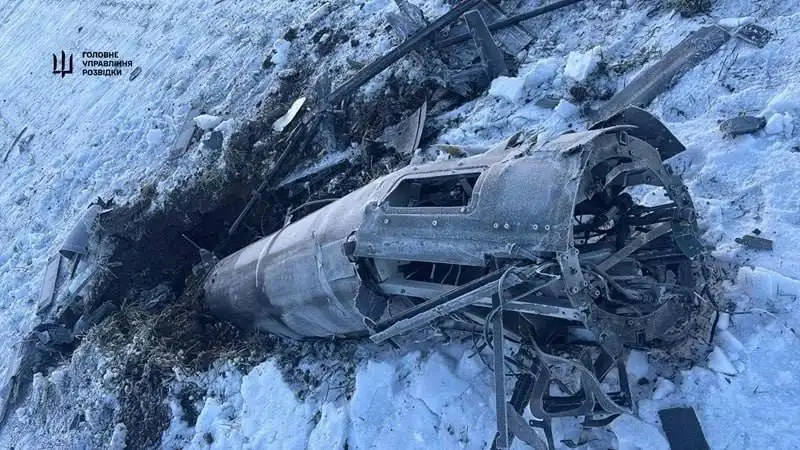
Geran‑5 is equipped with a 12‑channel Kometa satellite navigation system, a Raspberry Pi‑based tracker, 3G/4G modems, and a Telefly jet engine. Its warhead weighs around 90 kg, and its reported strike range is roughly 1,000 km.
Analysts have noted a structural and technological similarity between Geran‑5 and the Iranian Karrar drone. Reports indicate that Russia is exploring deploying the UAV from aircraft, including Su‑25 jets, and equipping it with R‑73 air‑to‑air missiles.
Shahed with a MANPADS and an infrared searchlight
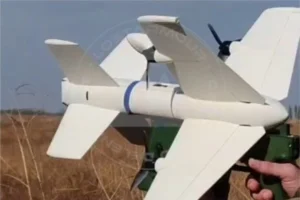
Shahed drones have seen two notable upgrades. For the first time, a Shahed was recorded carrying a man‑portable air‑defence system (MANPADS). The drone is equipped with a camera and radio modem and is operated remotely from Russian territory.
The missile is launched remotely by the UAV pilot. The MANPADS is preset to target‑acquisition and launch mode, and the operator triggers a servo that punctures the cooling fluid in the missile seeker, initiating the launch.
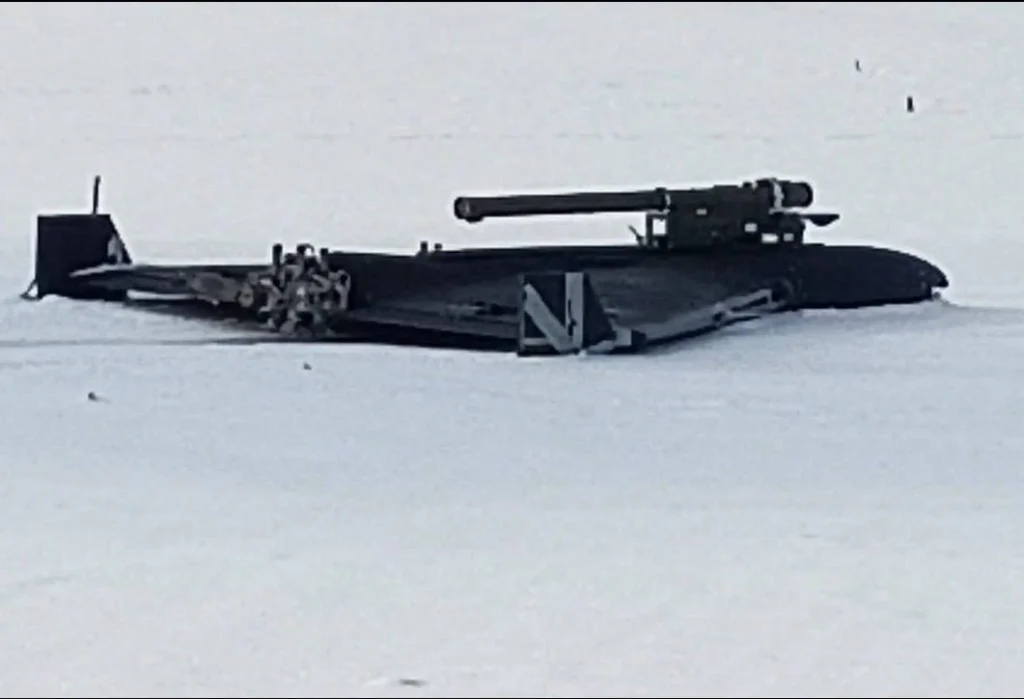
The pilot has a live video feed from the forward camera, can manoeuvre the drone, and monitor the airspace, including aircraft sent to intercept the UAV.
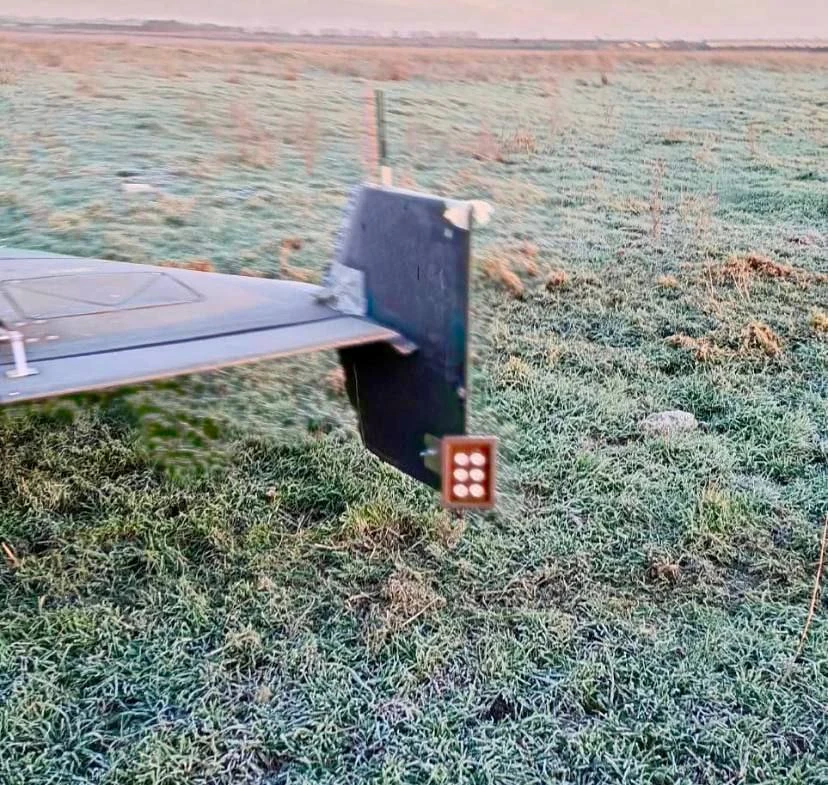
In another instance, Shahed was found with an infrared searchlight, reportedly intended to blind anti‑drone systems and aircraft.
SPV drone detector
Russian engineers have updated he SPV drone detector, which can intercept analogue video streams. They expanded the detector’s operating range to 3,060–4,040 MHz, reduced the full scanning cycle to 10 seconds, allowed frequency‑specific audio alerts, and added visual output in detection mode.
The SPV drone detector, which can intercept analogue video streams, is in use at the front.
The device identifies and tracks UAVs, capturing video from enemy drones to analyse their operations. It can also detect digital UAV signals, electronic‑warfare activity, and concealed inverted video feeds.
Igla‑100 anti‑drone cartridges
The state corporation Rostec has started delivering Igla‑100 12‑gauge anti‑drone cartridges to the front. The pellets are made from a tungsten‑nickel‑iron alloy. According to the manufacturer, this composition can penetrate motors, control units, propeller components, and other durable elements of small UAVs at ranges up to around 100 metres.
The Igla series was first showcased at the MILEX 2025 arms exhibition. Different models in the series have varying effective ranges, with the Igla‑100 reportedly able to pierce two 1‑mm aluminium sheets.
Ufa Tram and Trolleybus Plant unmanned all‑terrain vehicle
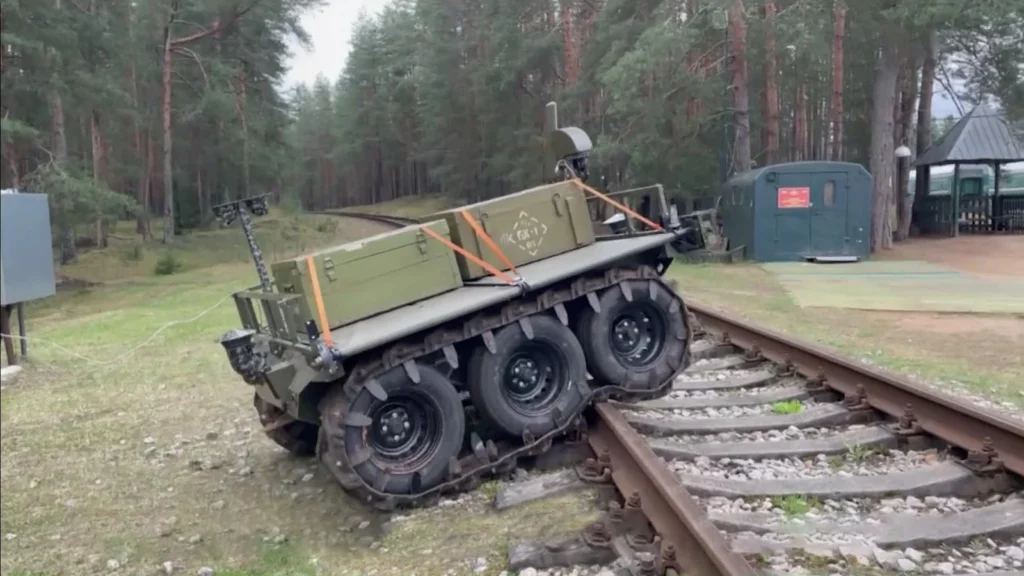
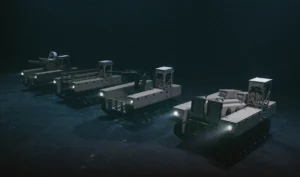
The Ufa Tram and Trolleybus Plant has demonstrated trials of a new unmanned all‑terrain vehicle, whose name has not yet been revealed. The platform is simple to operate, with training reportedly taking up to two hours.
It can traverse difficult terrain and is intended for casualty evacuation and delivering up to 500 kg of cargo. In serial production, the plant is ready to produce up to 100 vehicles per month.
Fragments of the “Oreshnik” after the Lviv region strike
The Security Service of Ukraine displayed fragments of a Russian Oreshnik ballistic missile system found in Lviv Oblast following the night strike of 8–9 January 2026.
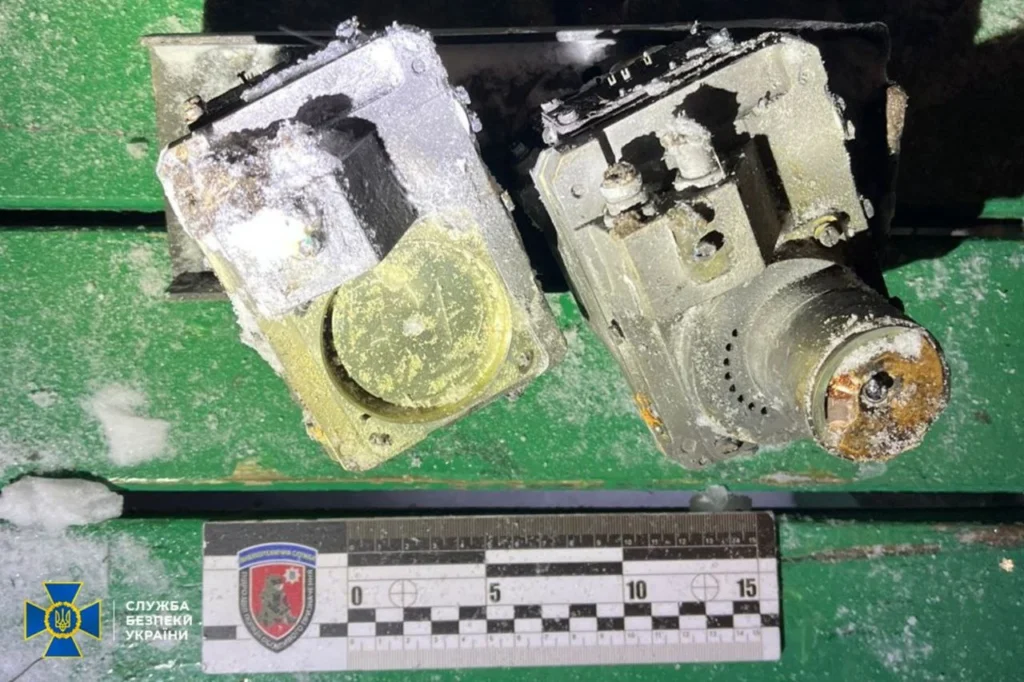
Andrii Kulchytskyi, head of the military research laboratory at the Kyiv Research Institute of Forensic Science, said the debris disproves Russian claims of “state‑of‑the‑art” technology. Fragments included electric lamps and a gyroscope manufactured during the Soviet era.
Recovered parts also included a stabilisation and guidance unit, propulsion components, fragments of the orientation mechanism, and nozzles from the separation‑stage platform. All fragments are registered as evidence and are being prepared for in‑depth examination.
Reading now
1

Ukrainian SkyFall’s drone wins at Pentagon’s Drone Dominance selection
2
Black Forest Systems raises $400,000. Here’s what drones the startup is building
3
Sting interceptor by Wild Hornets downs costly Russian Granat-4 reconnaissance drone
4
UForce unveils Bucha middle-strike drone with a 200 km range
5
The F10 drone becomes the second Ukrainian finalist in the Pentagon’s Drone Dominance Program
By submitting this form, you give Defender Media consent to the processing of personal data.
Надсилаючи цю форму, ви надаєте Defender Media згоду на обробку персональних даних.

Latest news
1
DPA to diversify drone and ammunition orders among multiple suppliers
2
‘Ukrainska bavovna’ and Czech company Pavetra Aerospace to produce Shuhay UAV through joint venture
3
59th Assault Brigade downs Russian Ka-52 helicopter with General Cherry OPTIX FPV drone
4
Tencore develops evacuation module for TerMIT UGV
5