Dorozvidka #20: Vector AI in Ukraine, Darkstar Bootcamp 4 roundup, Kisia UGV, and Blyskavka as a counter to the Molniya
The most interesting news from the editorial backlog for the second week of August
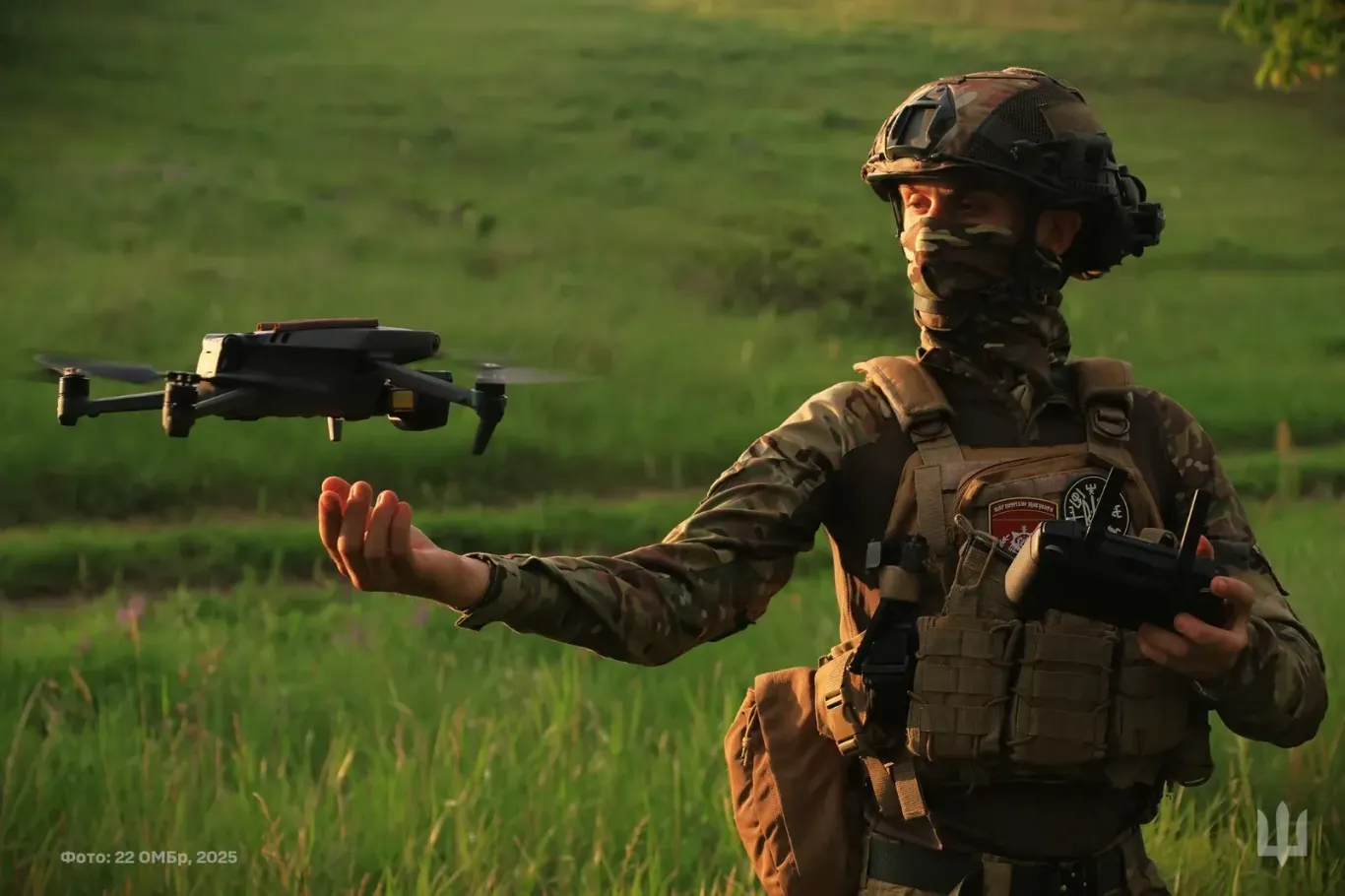
Ukrainian soldier with a drone / Photo: Ministry of Defence of Ukraine
The twentieth issue of Dorozvidka covers:
- How many UAVs and UGVs did the Ministry of Defence codify in July;
- What the upgraded Quantum Systems reconnaissance drones with integrated acoustic detection can do — and how they are already being tested in Ukraine;
- What are Ragnar Sass’ takeaways from the fourth Darkstar Bootcamp — and when the fifth will take place;
- What was born out of reverse-engineering the cheap but effective Russian kamikaze drone Molniya;
- achievements of Ukraine’s defence industry — and the obstacles holding it back.
Ragnar Sass on the summer Darkstar bootcamp
The Darkstar Bootcamp 4 recently took place in Kyiv, with 19 defence startups from Ukraine and other European countries participating. Darkstar co-founder Ragnar Sass shared his impressions on Facebook and described meetings with representatives of leading units of the Defence Forces.
“he first phase of the robotics war is already here – in the Ukrainian sky, on the ground, and at sea. Soon there will first signs from the next frontiers: underwater and space,” the Estonian investor wrote.
According to Sass, Ukraine already has its own AI-driven interceptor drone with more than 100 confirmed Shaheds shot down. AI and machine learning are finally starting to have a real impact on the battlefield and are bringing genuine autonomy to military systems. The Darkstar co-founder also says he has seen drone projects in Ukraine capable of carrying up to 1,000 kg.
On the bootcamp participants, Sass noted a “wake-up of Europe”: this time seven strong European teams took part. He says the fifth Darkstar bootcamp will be held in the autumn of 2025.
Vector AI from Quantum Systems — now in Ukraine
German company Quantum Systems has delivered Vector AI drones to Ukraine. The drones come equipped with artificial intelligence and an integrated WASP acoustic system for detecting outgoing artillery fire, Quantum co-founder Florian Seibel wrote on LinkedIn.
“Acoustic sensing has arrived above the Ukrainian frontlines. Vector AI is capable of sensing direction/distance of artillery being fired, boosting a flight time of up to 4 hours,” he said.
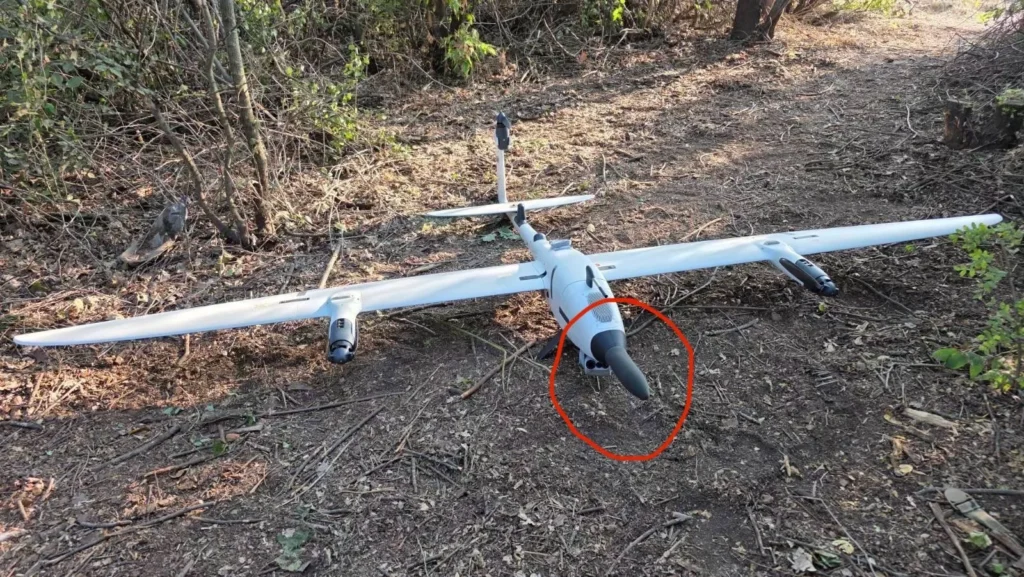
Vector AI is the new generation of the Vector family, which the Ukrainian Defence Forces have successfully used. Defender Media recently reported on Quantum Systems’ cooperation with the Nemesis unit.
In July, the Ukrainian MoD authorised over 40 UAVs and eight UGVs
The Ministry of Defence of Ukraine says that during July 2025, it authorised more than 40 new unmanned aerial systems for use by the Defence Forces — all domestically produced.
The ministry also reported that eight new unmanned ground vehicles were codified last month, again exclusively from Ukrainian manufacturers. Most of the UGVs authorised in July can perform logistics tasks and evacuate wounded personnel. July’s list also included several multipurpose universal platforms.
UGV Kisia evacuates a soldier from the 118th Brigade
Reports of successful evacuations using UGVs are becoming more frequent. The 118th Separate Mechanised Brigade has published an account of such an operation using a ground robot named Kisia.
The UGV was coordinated via a UAV relaying imagery from height. The brigade notes that Kisia is large enough not only to evacuate wounded personnel but also to deliver ammunition and other cargo to front-line positions.
Blyskavka — Ukraine’s answer to the Russian Molniya
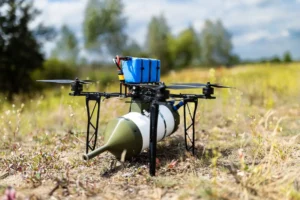
Ukrainian engineers reverse-engineered the Russian kamikaze drone Molniya and produced a domestic analogue called Blyskavka, Militarnyi reports, citing several volunteer fundraising initiatives and channels (including Ostanniy Kapitalist and Saint Javelin).
According to the organisers, $300,000 would buy 350 Blyskavkas, putting the approximate cost per drone at just over $850. Key specs: maximum flight range 20 km, service ceiling 2,000 m, and a payload capacity of 8 kg.
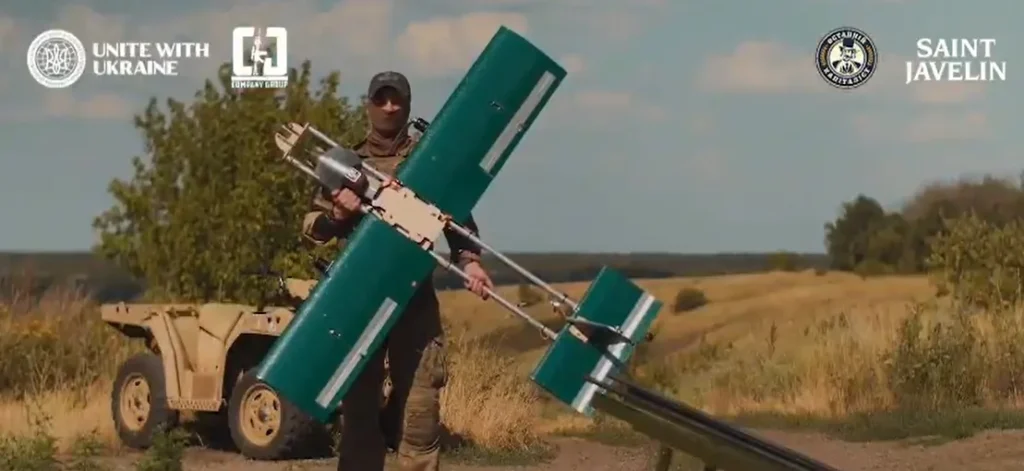
In construction, the Ukrainian Blyskavka mirrors the Molniya’s layout and dimensions: a wooden centre-plane, no fuselage, two tubes as load-bearing elements, a front-mounted engine, and the battery positioned above the centre-plane.
The drones will be operated by personnel from the 8th Regiment of the Special Operations Forces.
General Havryliuk on the development of Ukraine’s defence tech
First Deputy Defence Minister Ivan Havryliuk analysed the development of Ukraine’s defence industry and technologies in an op-ed for Ukrinform. He notes that before the full-scale invasion, the defence industry was almost entirely state-owned; today, roughly 900 enterprises operate in the sector, the vast majority of them private.
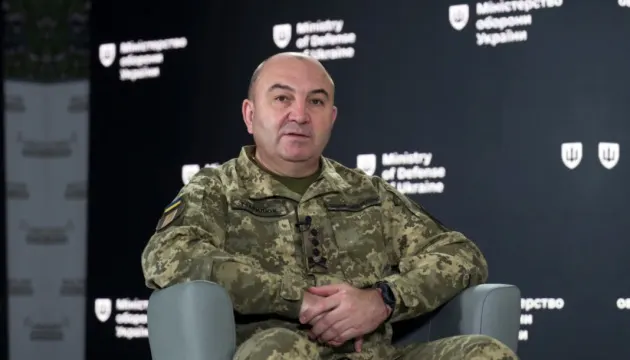
Havryliuk argues that Ukrainians were among the first in the world to deploy unmanned systems en masse on the battlefield in 2023. “For the first time in the history of war a new weapons nomenclature appeared — unmanned systems. Today drones are among the primary means of reconnaissance and strike. With their help we have been able to blunt the traditional advantages of the Russian army,” he writes.
He adds that the defence industry has already become one of the drivers of the Ukrainian economy. “Further breakthrough development of the defence-industrial complex is a major opportunity to become a technological nation,” the general says.
Among the main problems hampering domestic defence industrial development, he lists a lack of investment and a shortage of specialist personnel with narrow profiles.
Reading now
1

Ukrainian SkyFall’s drone wins at Pentagon’s Drone Dominance selection
2
Black Forest Systems raises $400,000. Here’s what drones the startup is building
3
Sting interceptor by Wild Hornets downs costly Russian Granat-4 reconnaissance drone
4
UForce unveils Bucha middle-strike drone with a 200 km range
5
The F10 drone becomes the second Ukrainian finalist in the Pentagon’s Drone Dominance Program
By submitting this form, you give Defender Media consent to the processing of personal data.
Надсилаючи цю форму, ви надаєте Defender Media згоду на обробку персональних даних.

Latest news
1
DPA to diversify drone and ammunition orders among multiple suppliers
2
‘Ukrainska bavovna’ and Czech company Pavetra Aerospace to produce Shuhay UAV through joint venture
3
59th Assault Brigade downs Russian Ka-52 helicopter with General Cherry OPTIX FPV drone
4
Tencore develops evacuation module for TerMIT UGV
5