Dorozvidka #19: the evolution of Magura drones, the Sting–Kurbas duo, the world’s first UGV battalion, plus Sternenko and Shmyhal
A review of the most interesting publications on defence tech over the past week
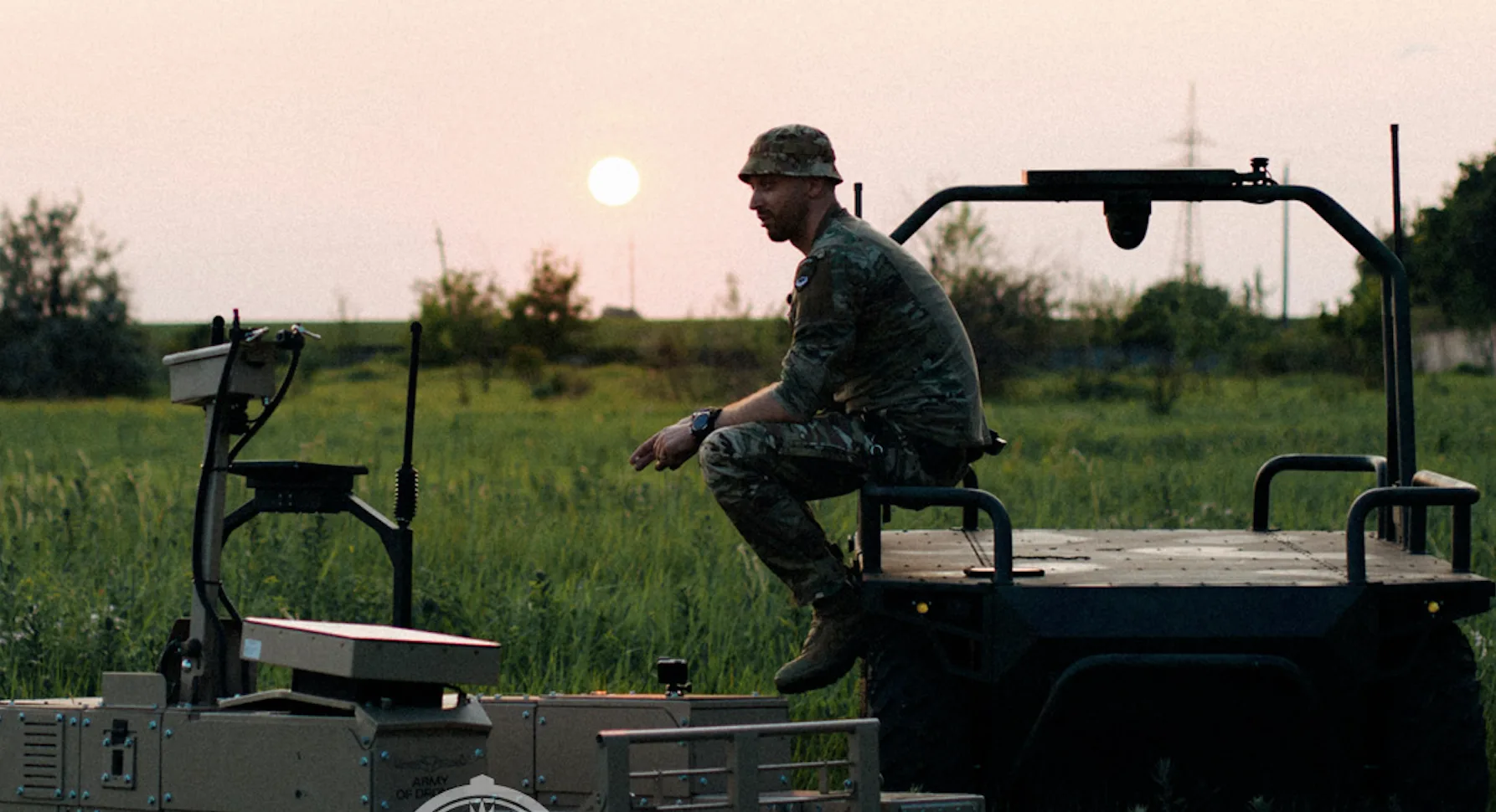
K-2 commander Kyrylo Veres with regiment's unmanned systems / Photo: K-2
The K-2 Unmanned Systems Regiment has become the first in the world to form a battalion of unmanned ground vehicles (UGVs). Ukrainian-made thermal imaging cameras are already helping domestic interceptor drones shoot down Shaheds. And when it comes to direct arms exports, Ukraine’s new Defence Minister insists it’s simply not realistic during wartime.
More in Dorozvidka #19 — including a full breakdown of all known Magura naval drone versions and an interview with volunteer Serhiy Sternenko, who explains why Ukraine is currently losing the fibre-optic drone war.
Ukrainian interceptors using Odd Systems cameras take down dozens of Shaheds
Yaroslav Azhniuk, co-founder of Odd Systems, a company producing thermal imaging cameras, shared how their products are helping shoot down Shaheds. The Kurbas-640-alpha thermal camera is integrated into Sting interceptors made by another Ukrainian company, Wild Hornets.
According to Azhniuk, Sting drones equipped with Kurbas cameras have already shot down dozens of Shahed drones. “Kurbas units have outperformed Chinese Caddx models — primarily due to better image quality, greater durability under heavy vibrations, and moisture resistance — all while maintaining equal or even lower cost,” he wrote.
Odd Systems also recently announced a partnership with Danish defence firm Terma Group. The two companies are working on an affordable AI-powered drone interceptor.
The evolution of Magura sea drones
Naval News has published a detailed history of the Ukrainian Magura sea drones, authored by defence analyst H. I. Sutton. According to Sutton, the first model, Magura V1, was developed in May 2022 by a team of four engineers responding to an SBU request for a counter to the Russian Black Sea Fleet. The V1 was based on a small fishing boat with a low-profile 6-metre hull and a modest outboard engine. Tests were so successful that the team rapidly developed the V2, based on a jet ski, with a streamlined canoe-like hull and signature wave-cutting ridges across its deck.
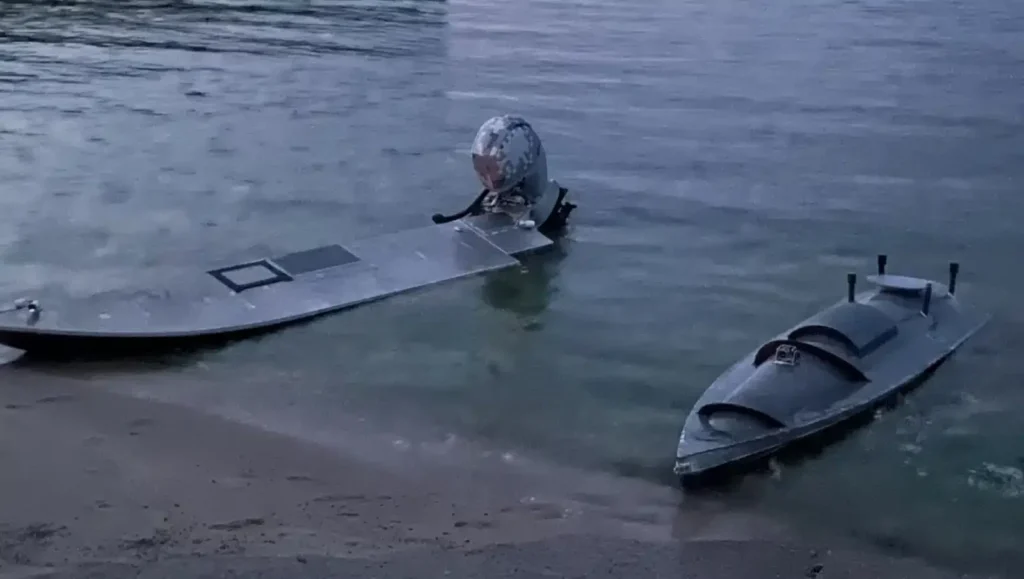
Later variants included:
- Magura V7, the latest version, gained notoriety in May 2025 when it reportedly shot down a Russian Su-30 fighter jet with a Sidewinder missile.
- Magura V3, with three wave-cutters in the bow and a 150 kg warhead. On 29 October 2022, a V3 group breached the Sevastopol harbour and damaged multiple enemy vessels.
- Magura V4 is an experimental version with a few known details.
- Magura V5 (2023), featuring a 5.5-metre hull with increased fuel capacity and a larger warhead. V5 drones reportedly destroyed at least 17 naval targets and damaged three more, making it the most successful model so far.
- Magura W6 (a trimaran) and Magura W6P, a reconnaissance variant.
The world’s first UGV battalion
Ukraine’s K-2 Unmanned Systems Regiment has announced the formation of the world’s first unmanned ground vehicles (UGVs) battalion. The new unit is now recruiting UGV operators and related specialists. “A battalion of robots is no longer a Michael Bay fantasy — it’s a reality we’re building here and now,” the regiment wrote on Facebook.
Defender Media previously reported that K-2 UGV operators used robotic platforms to evacuate four wounded Ukrainian soldiers from the front line.
Sternenko on why Ukraine is lagging in the fibre-optic drone race
Activist and volunteer Serhiy Sternenko gave an interview to “Toronto TV”, where he discussed why Ukraine is falling behind in the development of fibre-optic drones.
He said the issue is not the number of Ukrainian fibre-optic drones, but rather the poor combat suitability of some drones procured by the government. Some manufacturers, Sternenko claims, lose interest in performance improvements once they secure state contracts. However, he also highlighted responsible producers who continuously upgrade their designs based on soldier feedback.
Sternenko argues that some drones do not meet their stated specifications and that procurement bodies must establish a feedback loop with front-line units and hold manufacturers accountable. This feedback, he said, should be formalised in contract requirements. In exchange, the state could guarantee to purchase all drones produced within a certain timeframe — creating incentives for improvement.
Looking ahead, he believes Ukraine will counter enemy fibre-optic drones using AI-powered micro-turrets capable of detecting and shooting them down. In the long term, these systems might evolve into laser or microwave weapons mounted as modular systems on next-gen armoured vehicles.
Shmyhal on Ukraine’s arms exports
In his first major interview as Ukraine’s new Defence Minister, Denys Shmyhal spoke to the BBC. One of President Zelenskyy’s top directives, he said, is to ramp up domestic arms production to cover at least 50% of Ukraine’s defence needs — from intercepting drones to manufacturing artillery and armoured vehicles.

Other key priorities include launching Defence City, advancing presidential initiatives Build with Ukraine and Build in Ukraine, and establishing joint ventures abroad.
Shmyhal expressed scepticism about direct arms exports during wartime: “If our defenders on the front line don’t have enough of a particular weapon, exporting it is out of the question — not until our Armed Forces are supplied 100% and beyond. If we have production surplus, then we must find ways to finance and deliver that surplus to our troops.”
Reading now
1

Ukrainian SkyFall’s drone wins at Pentagon’s Drone Dominance selection
2
Black Forest Systems raises $400,000. Here’s what drones the startup is building
3
Sting interceptor by Wild Hornets downs costly Russian Granat-4 reconnaissance drone
4
UForce unveils Bucha middle-strike drone with a 200 km range
5
The F10 drone becomes the second Ukrainian finalist in the Pentagon’s Drone Dominance Program
By submitting this form, you give Defender Media consent to the processing of personal data.
Надсилаючи цю форму, ви надаєте Defender Media згоду на обробку персональних даних.

Latest news
1
DPA to diversify drone and ammunition orders among multiple suppliers
2
‘Ukrainska bavovna’ and Czech company Pavetra Aerospace to produce Shuhay UAV through joint venture
3
59th Assault Brigade downs Russian Ka-52 helicopter with General Cherry OPTIX FPV drone
4
Tencore develops evacuation module for TerMIT UGV
5