100-day development plan for the Unmanned Systems Forces by “Madyar”: what defence tech market needs to know
The plan includes provision of modern equipment and technologies including UGVs
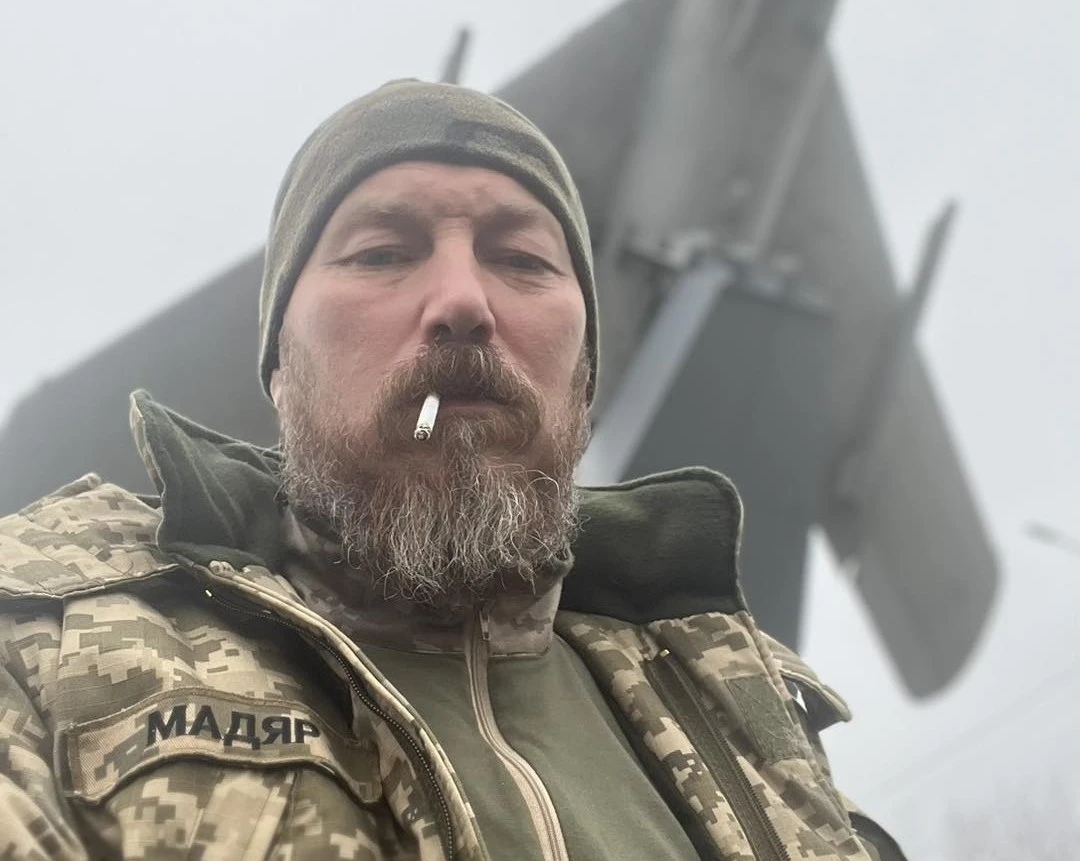
Photo by Robert Brovdy
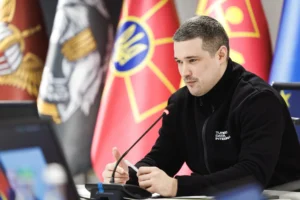
The newly appointed Commander of the Ukrainian Unmanned Systems Forces (USF), Robert “Madyar” Brovdy, has unveiled a 100-day plan for the reform and development of this branch of the Armed Forces. A central element of the plan is the phased deployment of USF capabilities at both tactical and operational depth.
One of the main priorities is to increase the effectiveness of the “Drone Line” combat units: 6–7 of these are expected to rank among the top ten most effective UAV units within Ukraine’s Defence Forces. From June to July, all USF units engaged in combat operations at the front will begin working within a unified electronic system for planning, analysis, coordination, management, and real-time reporting — with automated verification of results.
Supply and capabilities
All units will be involved in implementing 12 operational domains of unmanned systems. These include reconnaissance, signals intelligence, electronic warfare, radar systems, interception of enemy UAVs, remote mining, use of anti-drone technologies, and the formation of counter-UAV groups. The plan also calls for comprehensive retraining of personnel and equipping units with modern tools, technologies, and command systems. This phase will run from June to September 2025.
A single supply warehouse will be created to support the “Drone Line” units with around 50 critical items and components. These include communications equipment, Starlink terminals, additional drone batteries, mobile electronic warfare systems, components for FPV and bomber drone customisation, peripheral devices, power banks, and pickup trucks.
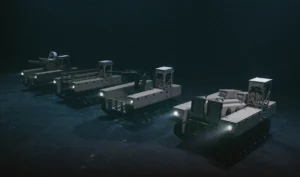
An additional component of the plan is the introduction of UGV platforms as the primary means of delivering ammunition, drones, and support equipment directly to frontline positions.
The plan also envisions a unified system for analysing operational capabilities and the performance of drones and munitions. This approach will improve the accuracy and responsiveness of logistical support and real-time planning.
Personnel and training
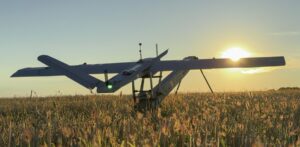
The USF will adopt a centralised recruitment model with synchronised basic and specialised training, modelled on the approach already implemented within the “Drone Line” initiative. A dedicated network of training centres will be established for operators of FPV drones, bomber drones, fixed-wing UAVs, and for specialists in electronic warfare, SIGINT, radar systems, UAV interception, and robotic logistics.
The force will also carry out personnel recertification, retrain underqualified crews, and reassign individuals based on specific areas of aerial operations. The objective is to ensure that each soldier’s role, training, and combat potential are clearly aligned.
Robert Brovdy, founder and former commander of the “Ptachy Madyara” (“Birds of Madyar”) unit, was appointed commander of the Unmanned Systems Forces on 3 June, replacing Vadym Sukharevskyi.
The “Drone Line” is a strategic initiative to develop modern unmanned systems and establish a network of specialised units equipped with advanced UAVs. These units provide air support to infantry, enable battlefield coverage, and allow for the detection and destruction of enemy targets at ranges of up to 10–15 km.
Reading now
1
Ukrainian SkyFall’s drone wins at Pentagon’s Drone Dominance selection
2
Black Forest Systems raises $400,000. Here’s what drones the startup is building
3
Sting interceptor by Wild Hornets downs costly Russian Granat-4 reconnaissance drone
4
UForce unveils Bucha middle-strike drone with a 200 km range
5
The F10 drone becomes the second Ukrainian finalist in the Pentagon’s Drone Dominance Program
By submitting this form, you give Defender Media consent to the processing of personal data.
Надсилаючи цю форму, ви надаєте Defender Media згоду на обробку персональних даних.

Latest news
1
DPA to diversify drone and ammunition orders among multiple suppliers
2
‘Ukrainska bavovna’ and Czech company Pavetra Aerospace to produce Shuhay UAV through joint venture
3
59th Assault Brigade downs Russian Ka-52 helicopter with General Cherry OPTIX FPV drone
4
Tencore develops evacuation module for TerMIT UGV
5