How the TerMIT UGVs are made: interview with Tencore Co-founder and CEO Maksym Vasylchenko
In just 15 months, the company has grown to 150 employees, produces hundreds of UGVs, and has become profitable
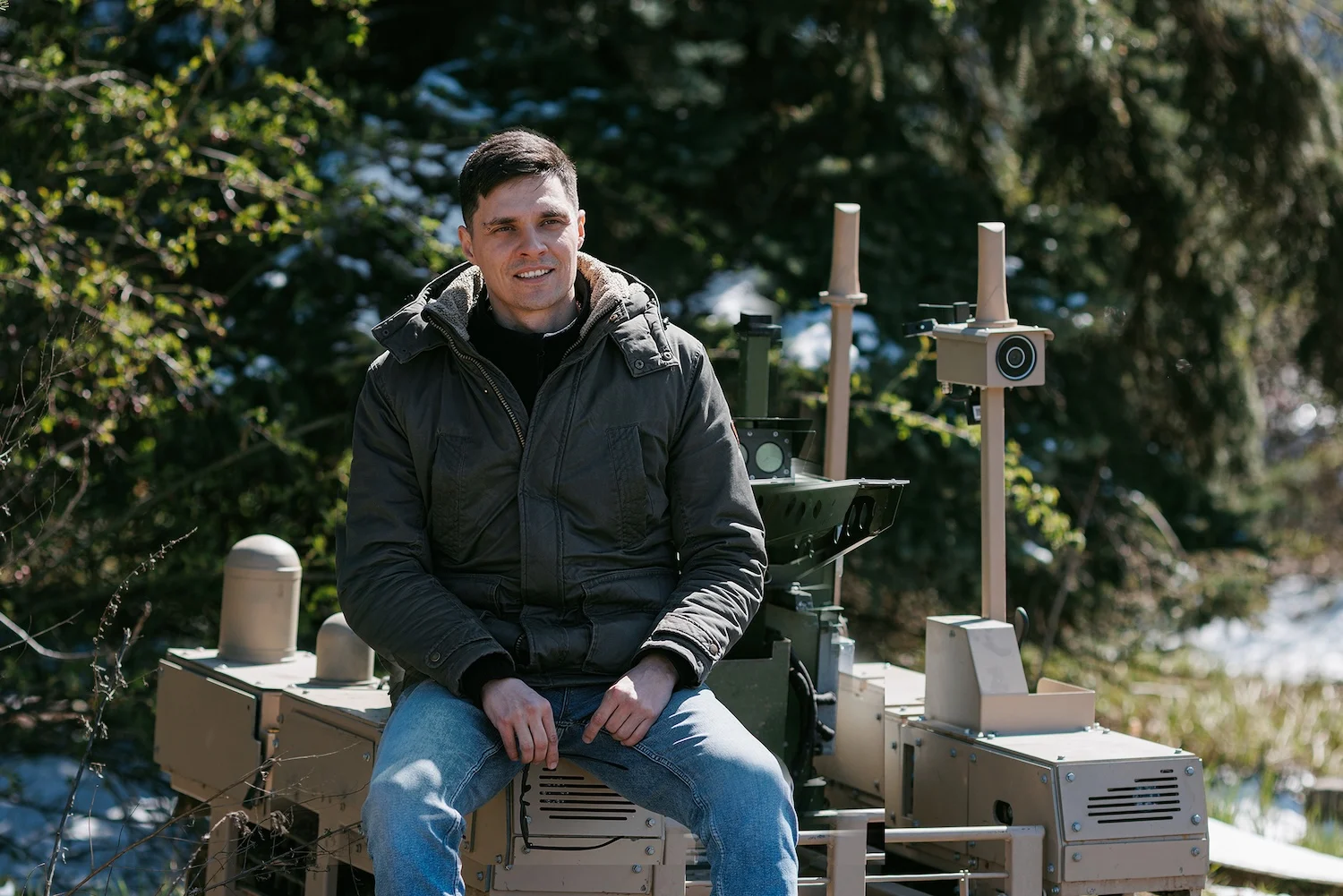
Image Credits: Tencore
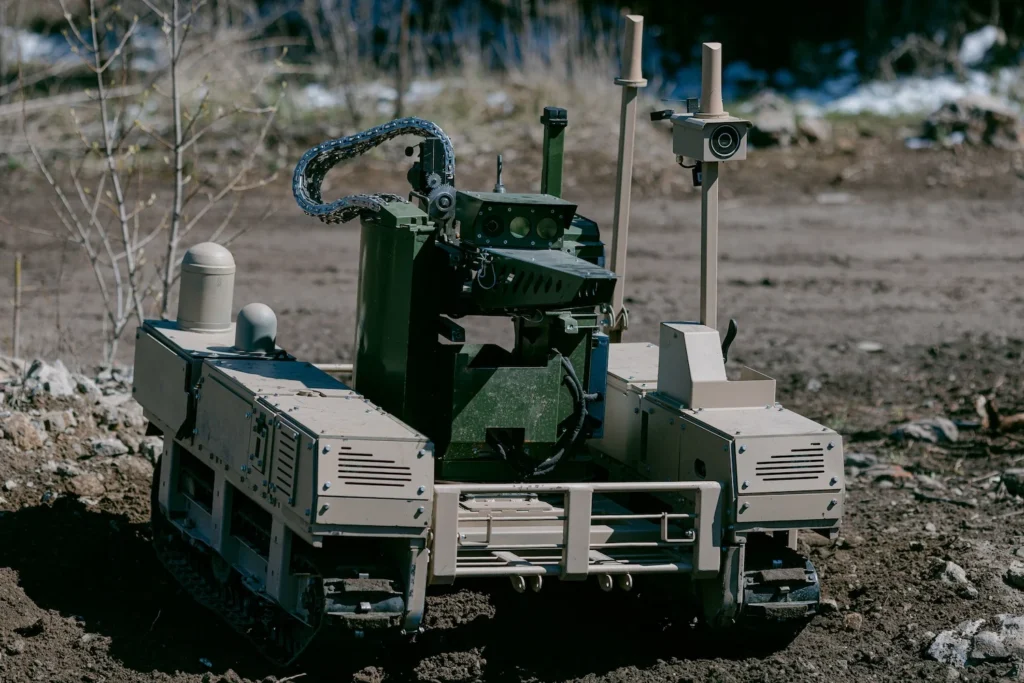
Ukrainian company Tencore designs and manufactures unmanned ground vehicles (UGVs). Its flagship product, the TerMIT, supports elite units of the Ukrainian Armed Forces in combat, logistics, and engineering tasks. In just over a year, the company has grown from five to 150 employees, produces hundreds of robots per month, reached profitability, and is now preparing for a strategic partnership with a major Western player. Defender spoke with Tencore’s co-founder and CEO, Maksym Vasylchenko.
How Tencore was founded
There are five co-founders. We were friends and colleagues. When the full-scale invasion began, we started volunteering and helping the army however we could. We were buying supplies for the units where our friends and relatives served. One of my close friends helped liberate Kherson, fought near Bakhmut, and later was among the first to enter the Kursk region. We sent his unit medical kits, food, and warm clothes. When electricity became a problem, we started making our own battery packs—first for ourselves, then for the front.
At the same time, we were working for a Ukrainian company manufacturing equipment for the food industry—large-scale machinery that we exported to France, Germany, Korea, and many other countries. I was the production director, one of my current partners was the commercial director, and another was the technical director.
Eventually, we decided to combine our experience in engineering with a deep understanding of the military’s needs. We created Tencore, bringing in two more partners—one with experience in sales and marketing, and the other with a logistics business importing from China. That’s how the whole thing started.
Why we decided to build UGVs
One of the military units contacted us with a request for ground robots. They even shared blueprints they had bought from some designer. I’ve been in mechanical engineering my whole life, so I immediately understood what needed to be done. I started working at the ArcelorMittal plant in Kryvyi Rih when I was 17 and went through every stage of production—from raw ore to final product.
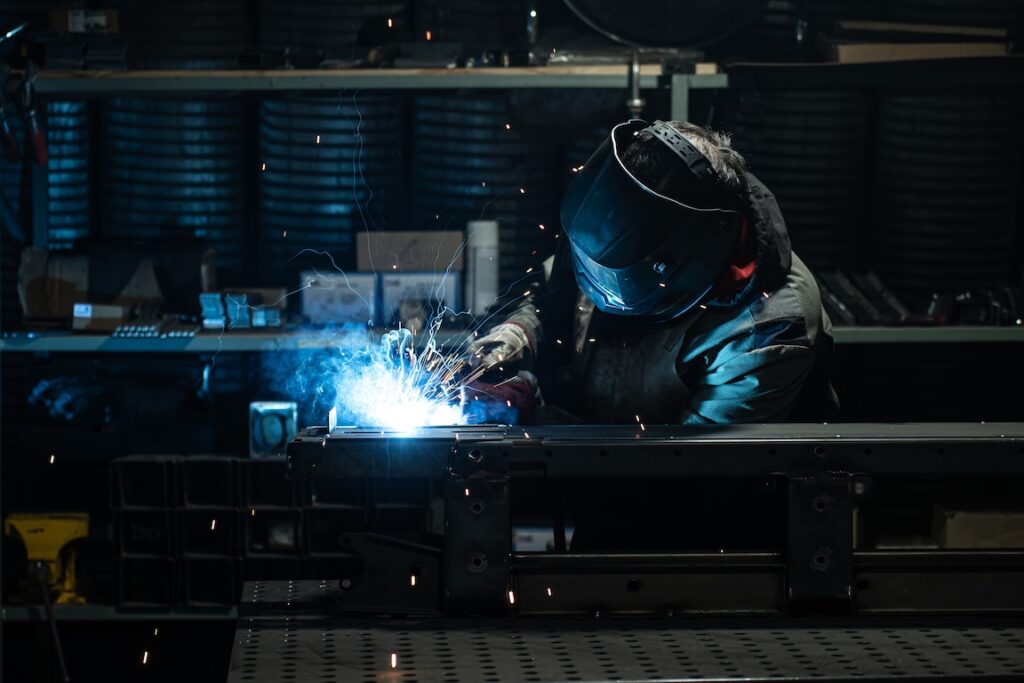
So there were no issues with the hardware—we knew that side well. But electronics were new to us. That’s where volunteer engineers came in—soldering and helping us practically in exchange for food. As orders increased, we began officially hiring staff. At first, we could only offer enough to cover fuel—just a few thousand hryvnias. The person who built our first battery pack worked 12-hour shifts for UAH 6,000 per month. He’s now our lead sales manager and has grown a lot with us.
Building the first TerMITs: challenges
We started with someone else’s blueprints, modifying and improving them. Eventually, we hired our own production designer, completely overhauled the system, and created our own product. It was a natural evolution—first you copy and learn, then you innovate.
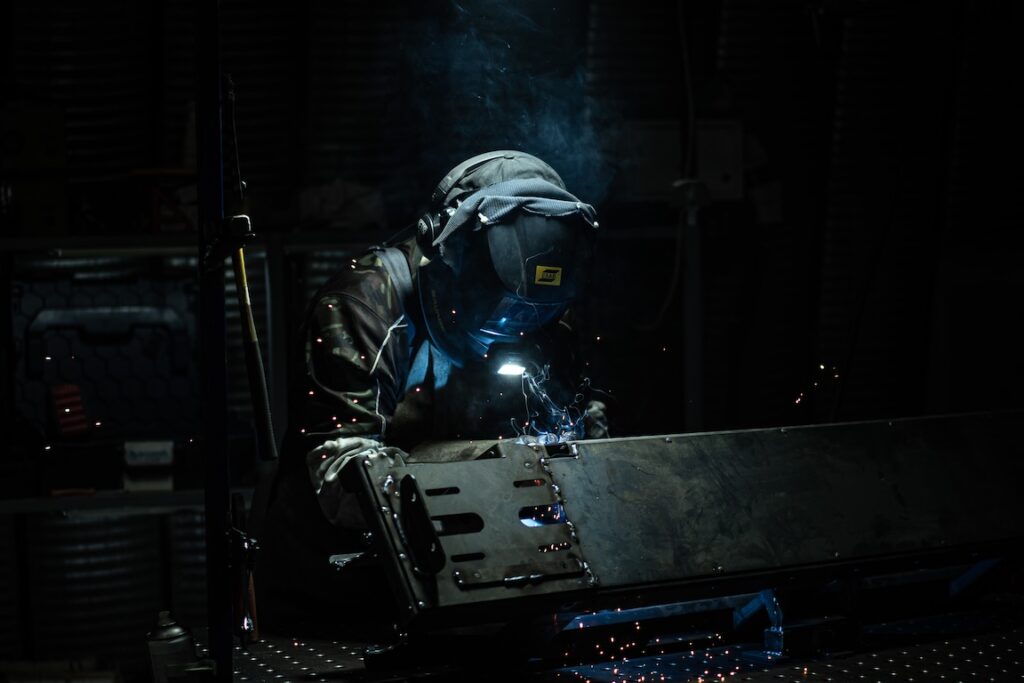
Within a month, we produced the first batch of ten units—but they didn’t work well. The battlefield evolves quickly, and our assumptions were no longer valid. We also made the classic mistake of customizing each robot. One unit wanted this, another that—so every robot was different. Great as an engineering challenge, but terrible for service, support, and scaling. It was chaos. We couldn’t keep track of what components were in which machine, how to fix problems, or even what the problems were.
Eventually, we streamlined the process. We now offer three versions of the TerMIT: basic, intermediate, and advanced.
Localisation and partnerships
Another issue we faced was the poor quality of batteries on the market—unstable, poorly assembled, couldn’t handle loads. That’s a critical element for us, so we began building our own. Today, our battery packs are among the most reliable out there. Other companies are now following our lead—or even using our designs.
We’re adopting an automotive industry approach: using automotive-grade technology, developing everything in-house—custom boards, onboard computers, relays. We’re committed to localizing production and minimizing dependence on China. We’ve already found a Ukrainian company that built prototype motors for us. If tests go well, we’ll fully switch from Chinese to Ukrainian motors next year. The same goes for tracks—we’re currently testing domestically developed ones. Our goal is to use Chinese components only for microchips—for now, Europe doesn’t produce everything. But overall, we’re all-in on localisation.
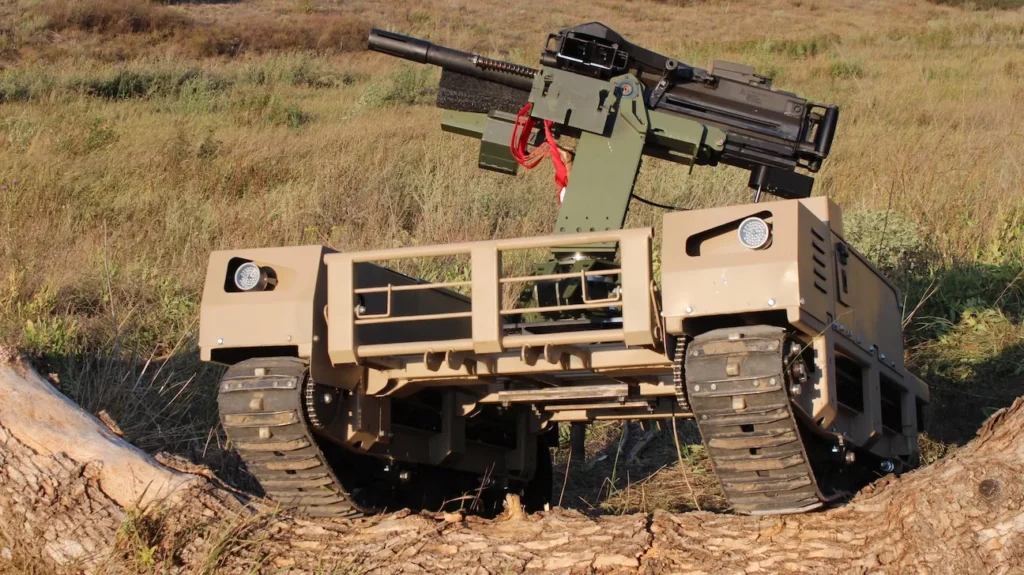
That said, we don’t want to reinvent the wheel. If great solutions already exist on the Ukrainian market, we’re happy to integrate them. For example, Unwave developed a jamming module that we’ve integrated—it works as anti-FPV and anti-Mavic, remotely toggled on and off. We’ve also integrated the “Burya” turret from Frontline, tested DevDroid’s PKT and Browning-compatible turrets, and are now testing the “Khizhak”. For communications, HIMERA created a secure module that we’re integrating into all our platforms. The strategy is simple: combine the best of the Ukrainian defense tech scene to build the best product—and let everyone win.
What TerMIT can do and how much It costs
We initially designed TerMIT as a logistics robot—to carry heavy loads, drag logs, tow gear. But over time, the project evolved. We began developing our own mine-laying modules. Early versions were unreliable—mines would fall out, the mechanics were off. But we improved it, and now the platform can deploy two modules carrying up to 20 mines simultaneously, enabling effective minefields.
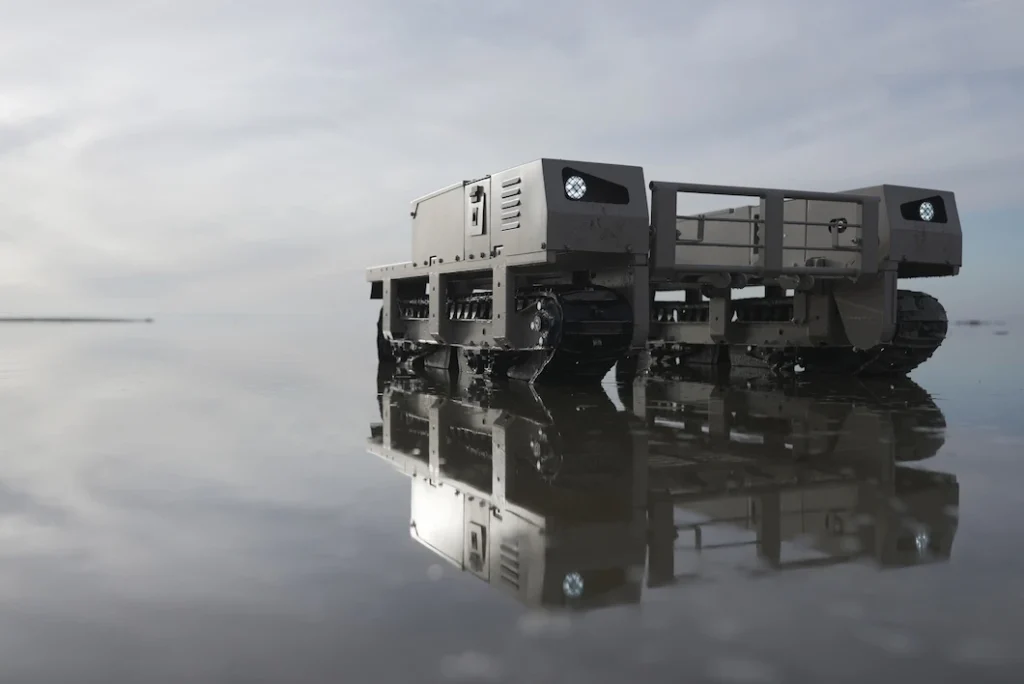
Then we moved into combat modules. Some brigades with their own R&D use our platform to build custom solutions—cable-laying systems, dump beds, gear hook modules. For the KOLO foundation, we even developed a servo-powered rope dropper for demining infantry trails. So TerMIT has become much more than a logistics tool—it’s now a fully-fledged combat and engineering platform.
The base model costs around $12,000, depending on configuration. Comparable European systems are 10 times more expensive—and untested in combat.
How TerMIT works in the field
The TerMIT crew operates the robot remotely via a ground station—essentially a laptop with a controller. The digital link streams full HD video in real time. The operator can be in a bunker or underground—anywhere with signal.
Range depends on connection quality. If the signal is stable, the robot can go as far as its battery and terrain allow. Right now, it can cover 22 km on a single charge. We’re already testing an extended-range version with four batteries and a 40 km range.
TerMIT uses tracks, so it handles rough terrain well. No vehicle can traverse deep spring mud that swallows jeeps whole. But tracked vehicles easily go where wheeled ones can’t—like on sand.
I can’t name every unit using TerMIT, but they include some of Ukraine’s most famous front-line brigades: the 3rd, Azov, 93rd, 95th, 110th, Kraken, and the Da Vinci Wolves.
How Tencore grew 30 times and became profitable
Last February, there were five of us. Now we’re a 150-person company with a clear structure, departments, and responsibilities. We scaled fast—largely because we built the team on trust. When we hired someone to lead a department, we gave them full freedom: hire your own team, build your own processes, set up production. Yes, mistakes happened—but they were learning experiences that created strong experts who went on to mentor others. That’s what enabled us to grow—and start producing hundreds of units per month.
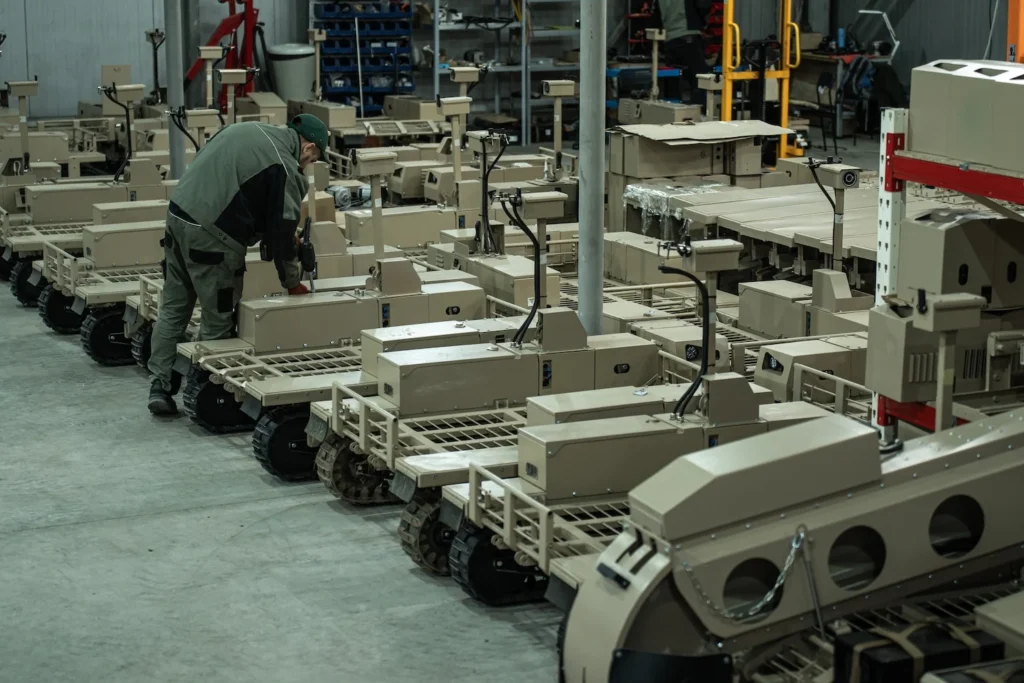
We’re not just breaking even anymore—we’re profitable, with planned margins of 10–15%. We’ve taken no outside investment; everything was self-funded. Now, the business supports itself.
That said, the path wasn’t easy. Last year, the state hardly bought any UGVs—there were no budgets, no understanding, no documentation. We survived thanks to foundations buying UGVs for military units, and thanks to units contracting with us directly. This year, the government plans to procure 15,000 UGVs, so things are improving.
What’s next
We’re expanding our product line and working on two new projects.
The first is an advanced evacuation robot we’re co-developing with the General Staff. The second is a larger platform for special operations.
We’re also in final negotiations with two major international companies. We’ve had offers before—up to $1 million—but declined. We’re not chasing money; we want a strategic partner. If all goes well, we’ll announce the partnership next month.
Reading now
1
Ukrainian SkyFall’s drone wins at Pentagon’s Drone Dominance selection
2
Black Forest Systems raises $400,000. Here’s what drones the startup is building
3
Sting interceptor by Wild Hornets downs costly Russian Granat-4 reconnaissance drone
4
UForce unveils Bucha middle-strike drone with a 200 km range
5
The F10 drone becomes the second Ukrainian finalist in the Pentagon’s Drone Dominance Program
By submitting this form, you give Defender Media consent to the processing of personal data.
Надсилаючи цю форму, ви надаєте Defender Media згоду на обробку персональних даних.

Latest news
1
DPA to diversify drone and ammunition orders among multiple suppliers
2
‘Ukrainska bavovna’ and Czech company Pavetra Aerospace to produce Shuhay UAV through joint venture
3
59th Assault Brigade downs Russian Ka-52 helicopter with General Cherry OPTIX FPV drone
4
Tencore develops evacuation module for TerMIT UGV
5